



What pollutants are difficult for Fixed Activated Carbon to adsorb?
Sep 08, 2025
Leave a message
Hey there! I'm a supplier of Fixed Activated Carbon, and today I wanna chat about something super important in our field: what pollutants are tough for Fixed Activated Carbon to adsorb.
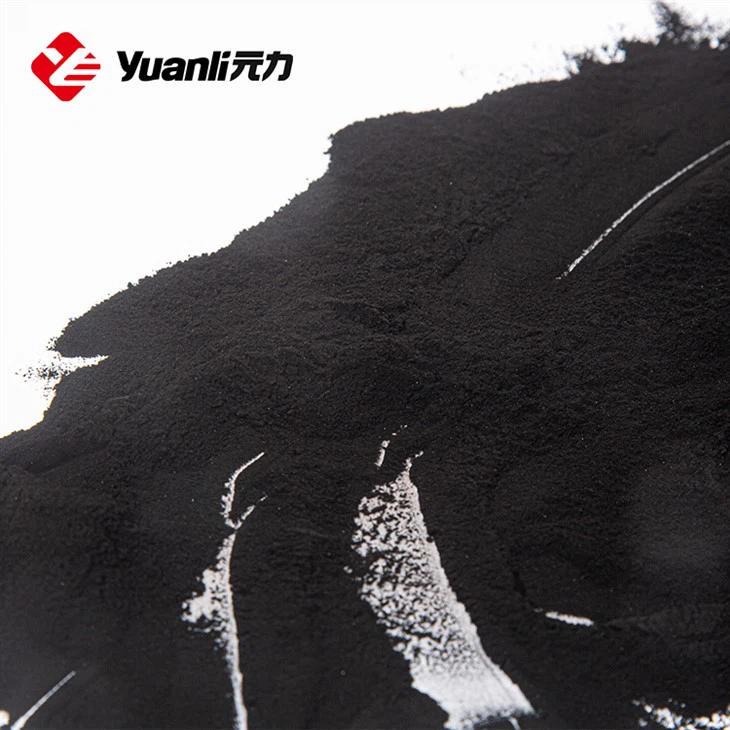
First off, let's quickly go over what Fixed Activated Carbon is. It's a super - useful material that we use a lot for all sorts of purification jobs. You can check out Activated Charcoal Black Powder and Activated Carbon for Air and Gas Purification on our website to get a better idea of the products we offer.
Now, onto the main topic. Fixed Activated Carbon works great for many pollutants. It's got a huge surface area with lots of tiny pores that can trap all kinds of stuff. But there are some pollutants that it just struggles with.
Inorganic Gases
One group of pollutants that Fixed Activated Carbon has a hard time with is certain inorganic gases. For example, hydrogen sulfide (H₂S). This gas is often found in industrial waste gases and some natural gas sources. The problem with H₂S is that it can react with the carbon surface in a way that forms a layer of sulfur compounds. This layer can block the pores of the activated carbon, reducing its ability to adsorb other pollutants. So, while at first, the activated carbon might seem to be working on H₂S, over time, its efficiency drops significantly.
Another inorganic gas is ammonia (NH₃). Ammonia is a polar molecule, and although activated carbon has some adsorption capacity for polar molecules, ammonia is a bit of a tricky one. Its relatively small molecular size and high solubility in water can make it difficult for the carbon to hold onto it effectively. In environments where there's a high humidity level, ammonia can dissolve in the water film on the carbon surface and then desorb easily, rather than staying adsorbed on the carbon.
Large - Molecular - Weight Organic Compounds
Large - molecular - weight organic compounds are also a challenge for Fixed Activated Carbon. Take polycyclic aromatic hydrocarbons (PAHs) for instance. These are complex organic molecules made up of multiple fused benzene rings. Their large size makes it hard for them to enter the pores of the activated carbon. Even if they do manage to get into the larger pores, they can get stuck in a way that doesn't allow for efficient diffusion deeper into the carbon structure.
Some polymers and resins also fall into this category. These materials often have long - chain or cross - linked structures. They can coat the surface of the activated carbon, blocking the access to the pores and reducing the overall adsorption capacity. For example, in some industrial processes where there are polymer - based solvents or waste products, the activated carbon can quickly become less effective at adsorbing other pollutants due to the presence of these large - molecular - weight organics.
Volatile Organic Compounds (VOCs) with High Boiling Points
Among VOCs, those with high boiling points are tough for Fixed Activated Carbon. VOCs are a big concern in air pollution, and activated carbon is commonly used to adsorb them. But high - boiling - point VOCs, like some heavy - duty solvents and certain plasticizers, have a lower vapor pressure. This means they don't readily evaporate and are less likely to be in the gas phase where the activated carbon can interact with them.
Also, these high - boiling - point VOCs tend to have stronger intermolecular forces. Once they do get adsorbed on the carbon surface, they can be very difficult to desorb during the regeneration process. This can lead to a build - up of these pollutants on the carbon, reducing its capacity for future adsorption. For example, in a paint - manufacturing plant where there are high - boiling - point solvents in the air, the activated carbon filters may need to be replaced more frequently than in an environment with lower - boiling - point VOCs.
Particulate Matter with High Moisture Content
When it comes to particulate matter, those with a high moisture content are a problem for Fixed Activated Carbon. In some industrial settings, there can be dust particles that are coated with a layer of water. This water layer can interfere with the adsorption process. The water can fill the pores of the activated carbon, leaving less space for the pollutants to be adsorbed.
Moreover, the presence of water can also cause some chemical reactions on the carbon surface. For example, it can promote the oxidation of the carbon, which can change the surface properties of the carbon and reduce its adsorption efficiency. In a coal - fired power plant, where there might be a lot of wet ash particles in the flue gas, the activated carbon used for purification can be severely affected by the moisture in these particles.
Biological Pollutants
Biological pollutants, such as bacteria and viruses, are another area where Fixed Activated Carbon has limitations. Activated carbon is mainly designed for physical adsorption of chemical pollutants. Bacteria and viruses are living organisms, and they don't get adsorbed in the same way as chemical molecules. While the carbon might trap some of these biological particles physically, it doesn't have any inherent ability to inactivate or destroy them.
In fact, bacteria can grow on the carbon surface if the conditions are right, such as if there's enough moisture and nutrients. This growth can lead to the production of biofilms, which can block the pores of the activated carbon and reduce its adsorption capacity. In a water treatment plant where there's a risk of biological contamination, relying solely on activated carbon to deal with bacteria and viruses is not enough.
What Can We Do?
So, what can we do when faced with these pollutants that are difficult for Fixed Activated Carbon to adsorb? Well, one approach is to use pre - treatment methods. For example, for inorganic gases like H₂S, we can use chemical scrubbers before the gas reaches the activated carbon. These scrubbers can remove a large portion of the H₂S, reducing the burden on the carbon.

For large - molecular - weight organic compounds, we can use a combination of filtration methods. For instance, we can use a coarse filter to remove the larger particles first, and then use the activated carbon for the remaining smaller pollutants.
In the case of high - boiling - point VOCs, we can optimize the regeneration process of the activated carbon. By using higher temperatures or different desorption agents, we can try to remove these stubborn pollutants more effectively.
Conclusion
In conclusion, while Fixed Activated Carbon is an amazing material for adsorbing a wide range of pollutants, there are definitely some that it struggles with. Understanding these limitations is crucial for us to use the activated carbon more effectively. Whether it's through pre - treatment methods, combination filtration, or optimized regeneration, we can find ways to work around these challenges.
If you're in the market for high - quality Fixed Activated Carbon or have questions about how to deal with specific pollutants, feel free to reach out. We're always here to help you find the best solutions for your purification needs. And don't forget to check out Activated Carbon for Plants Desulfurization and Denitrification on our website for more information on our products.
References
- "Adsorption of Inorganic Gases on Activated Carbon", Journal of Environmental Science and Technology
- "Study on the Adsorption of Large - Molecular - Weight Organic Compounds by Activated Carbon", Industrial and Engineering Chemistry Research
- "Volatile Organic Compounds and Their Adsorption on Activated Carbon", Air Quality Research Journal
Send Inquiry