



Wood‑based Powder Activated Carbon for Fruit Juice Decolorization: Light Transmittance Increased from 40 % to 90 %
Sep 24, 2026
Leave a message
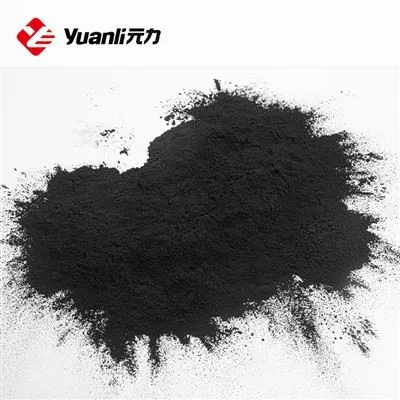
In deep‑processing and purification processes for concentrated fruit juice, wood‑based powder activated carbon acts as an indispensable key consumable. Thanks to its well‑developed mesopore structure, activated carbon adsorption can efficiently capture anthocyanins, carotenoids and browning impurities, easily raising the light transmittance of raw juice from 35‑45 % to above 90 %, delivering crystal‑clear fruit juice and greatly improving product appearance.
Nevertheless, quality‑control procedures in most food factories only focus on "light transmittance and visual appearance". As long as the liquid looks clear and chroma meets standards, the activated‑carbon treatment process is judged qualified. However, experienced process engineers know that qualified light transmittance does not guarantee a qualified finished product. Ultra‑fine carbon residue represents the most concealed and frequent cause of mass‑production failures.
Drawing on first‑hand food‑production‑site experience, this article analyzes core misconceptions in fruit‑juice decolorization, and elaborates on the causes, hazards and practical zero‑carbon‑residue process solutions.
Why Wood‑based Powder Activated Carbon Is the First Choice for Fruit‑juice Decolorization - Irreplaceable Advantages
Compared with coconut‑shell‑based and coal‑based activated carbon, phosphoric‑acid‑activated wood‑based powder activated carbon is better adapted to fruit‑juice systems:
- Well‑developed mesopores with pore sizes precisely matching large‑molecule pigments in fruit juice, delivering fast decolorization and thorough impurity removal, and effectively alleviating browning and dull discoloration of fruit juice.
- Food‑grade refined manufacturing process with low ash content and minimal impurities; no leaching of heavy metals or harmful ions, complying with food‑safety production regulations.
- High adsorption selectivity: it preferentially adsorbs pigments and pectin impurities without degrading sugars, vitamins or flavor substances, balancing good appearance and original taste.
This accounts for the stable increase of light transmittance above 90 % for turbid raw juice treated with wood‑based powder activated carbon, where activated carbon adsorption targets pigment molecules without damaging the nutritional components of fruit juice.
Misconception: Light Transmittance of 90 % Equals Zero Carbon Residue? Completely Incorrect
Conventional light‑transmittance tests only reflect overall turbidity and chroma, and cannot detect micron‑ or sub‑micron‑scale ultra‑fine carbon powder.
Many batches appear clear to the naked eye after decolorization, yet large quantities of fine carbon particles remain suspended in the fruit‑juice matrix. Such particles are extremely small and cannot be trapped by ordinary sedimentation or simple filtration, later triggering three major problems:
- Post‑production re‑turbidity and stratified precipitation. Freshly filled fruit juice looks clear, yet after 7‑15 days of storage, ultra‑fine carbon powder gradually aggregates and settles, forming fine black sediment at the bottom and slight liquid turbidity. This directly results in non‑conforming finished goods and frequent end‑user complaints.
- Deteriorated fruit‑juice taste and distorted flavor. Suspended carbon powder slightly adsorbs flavor compounds and introduces powdery and astringent notes, impairing the original sweet and pure taste of fruit juice and harming product quality and repeat‑purchase rates.
- Failed quality inspection leading to batch scrapping. Insoluble solids and impurity limits are mandatory indicators in food sampling inspection. Ultra‑fine carbon residue counts as hidden impurity, which may cause entire batches to fail inspection and generate substantial production‑cost losses.

Four Process‑related Causes of Carbon Residue
- Excessively fine carbon‑powder mesh size: good decolorization performance yet difficult sedimentation and filtration; carbon powder easily penetrates conventional filter cloth.
- Excessively high stirring speed: high‑speed agitation breaks carbon particles and generates large volumes of ultra‑fine powder that cannot settle naturally.
- Insufficient adsorption time: pigment reactions remain incomplete; carbon powder fails to agglomerate and settle before entering filtration units.
- Simplified filtration workflow: only coarse filtration is applied without precision filtration or centrifugal separation, leaving fine carbon powder uncaptured.

Standardized Zero‑residue Process
- Accurate material selection: adopt food‑grade refined wood‑based powder activated carbon with controlled particle fineness to reduce the proportion of ultra‑fine powder.
- Constant‑temperature adsorption: operate at 40‑55 °C to balance decolorization efficiency and promote carbon‑particle agglomeration and sedimentation.
- Optimized agitation: low‑speed stirring plus sufficient standing time to avoid secondary fragmentation of carbon particles.
- Multi‑stage filtration: coarse filtration + precision filtration + centrifugal separation for layered interception of fine carbon residues.
- Dual‑item testing: test not only light transmittance and chroma but also insoluble solids for dual quality control over finished products.
For fruit‑juice decolorization, light transmittance only represents superficial appearance, while carbon‑residue control forms the bottom line of product quality.
Chasing high light transmittance while ignoring fine‑impurity control is a common shortcoming among most food manufacturers. Only by implementing a complete "decolorization + residue‑removal" dual‑process can stable, compliant and high‑quality fruit‑juice products be manufactured, fundamentally avoiding mass‑production failures, and giving full play to the performance of activated carbon adsorption.
Thank you for reading to the end of the article. If you have any need for juice decolorization, we can offer you professional services and products. Please feel free to come for consultation!
Send Inquiry