



What is the effect of chemical activation on Fixed Activated Carbon?
Oct 24, 2025
Leave a message
Hey there! As a supplier of Fixed Activated Carbon, I've been getting a lot of questions lately about the effect of chemical activation on our product. So, I thought I'd sit down and share what I know.
First off, let's talk about what chemical activation is. Chemical activation is a process where a carbonaceous material, like coal or wood, is treated with chemicals to increase its porosity and surface area. This process is different from physical activation, which uses heat and steam. Chemical activation can be done at lower temperatures and is generally faster, which can be a big plus in terms of production efficiency.
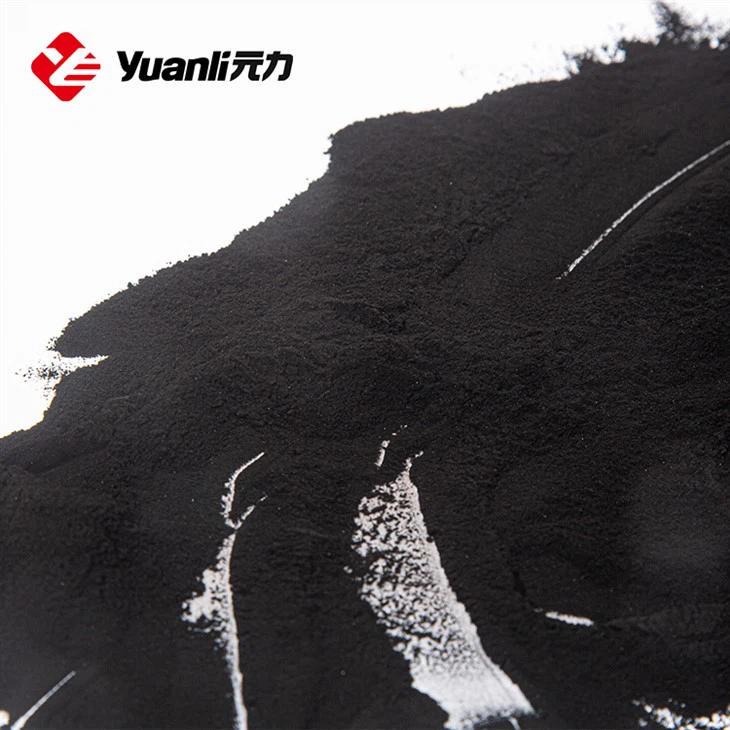

Now, let's get into the nitty - gritty of how chemical activation affects Fixed Activated Carbon.
1. Increased Surface Area
One of the most significant effects of chemical activation is the increase in surface area. When we treat our Fixed Activated Carbon with chemicals, it creates a network of tiny pores. These pores are like little pockets that can trap all sorts of substances. The larger the surface area, the more substances the carbon can adsorb. For example, in applications like Activated Carbon for Air and Gas Purification, a high surface area is crucial. It allows the carbon to capture harmful gases and pollutants from the air, making the environment cleaner and safer.
2. Enhanced Adsorption Capacity
With the increased surface area comes enhanced adsorption capacity. Our Fixed Activated Carbon can adsorb a wider range of substances, including organic compounds, heavy metals, and even some radioactive materials. This is super important in industries like water treatment. When we use chemically activated Fixed Activated Carbon, it can remove contaminants from water much more effectively than non - activated carbon. For instance, it can take out pesticides, industrial solvents, and heavy metals like lead and mercury. This makes the water safe for drinking and other uses.
3. Selective Adsorption
Chemical activation can also make our Fixed Activated Carbon more selective in what it adsorbs. By choosing the right chemicals during the activation process, we can tailor the carbon to adsorb specific substances. This is really useful in specialized applications. For example, in Activated Carbon for Plants Desulfurization and Denitrification, the carbon can be activated to specifically target sulfur and nitrogen compounds. This helps in reducing emissions from power plants and other industrial facilities, which is great for the environment.
4. Improved Mechanical Strength
Another benefit of chemical activation is that it can improve the mechanical strength of our Fixed Activated Carbon. In some applications, the carbon needs to withstand physical stress. For example, in a packed - bed reactor, the carbon particles are constantly being pushed and jostled. Chemically activated carbon is more likely to stay intact and not break down into smaller particles. This means it can have a longer lifespan and perform better over time.
5. Cost - Effectiveness
From a business perspective, chemical activation can be cost - effective. Since it can be done at lower temperatures and in a shorter time, it reduces energy consumption and production time. This translates to lower production costs, which we can pass on to our customers. So, if you're looking for a high - quality Fixed Activated Carbon at a reasonable price, chemically activated carbon is a great option.
6. Different Pore Sizes
Chemical activation can create a variety of pore sizes in the Fixed Activated Carbon. We have micropores, mesopores, and macropores. Micropores are very small and are great for adsorbing small molecules. Mesopores are larger and can handle medium - sized molecules, while macropores are the biggest and can adsorb larger molecules. This diversity in pore sizes allows our carbon to adsorb a wide range of substances with different molecular sizes. For example, in the case of Activated Charcoal Granules, the different pore sizes make them suitable for multiple applications, from filtering water to purifying air.
Some Considerations
Of course, chemical activation isn't all sunshine and rainbows. There are a few things to keep in mind. The chemicals used in the activation process need to be handled carefully. Some chemicals can be hazardous, so proper safety measures have to be in place during production. Also, the choice of chemicals can affect the properties of the final product. So, we need to do a lot of testing and research to make sure we're using the right chemicals for the desired application.
In conclusion, chemical activation has a profound effect on Fixed Activated Carbon. It increases the surface area, enhances adsorption capacity, allows for selective adsorption, improves mechanical strength, is cost - effective, and creates a variety of pore sizes. These benefits make our chemically activated Fixed Activated Carbon a top - notch choice for a wide range of applications, from environmental protection to industrial processes.
If you're interested in learning more about our Fixed Activated Carbon or are thinking about making a purchase, don't hesitate to reach out. We're always happy to have a chat and discuss how our products can meet your specific needs. Let's work together to find the best solution for you!
References
- Adsorption Science and Technology. (2018). Principles and Applications of Activated Carbon.
- Environmental Science & Technology. (2020). Chemical Activation of Carbonaceous Materials for Environmental Remediation.
- Journal of Chemical Engineering. (2019). Advances in Activated Carbon Production and Applications.
Send Inquiry