



What is the effect of activated charcoal black powder on ink properties?
Jul 11, 2025
Leave a message
Hey there! As a supplier of Activated Charcoal Black Powder, I've been getting a lot of questions lately about its effect on ink properties. So, I thought I'd sit down and write this blog to share what I know.
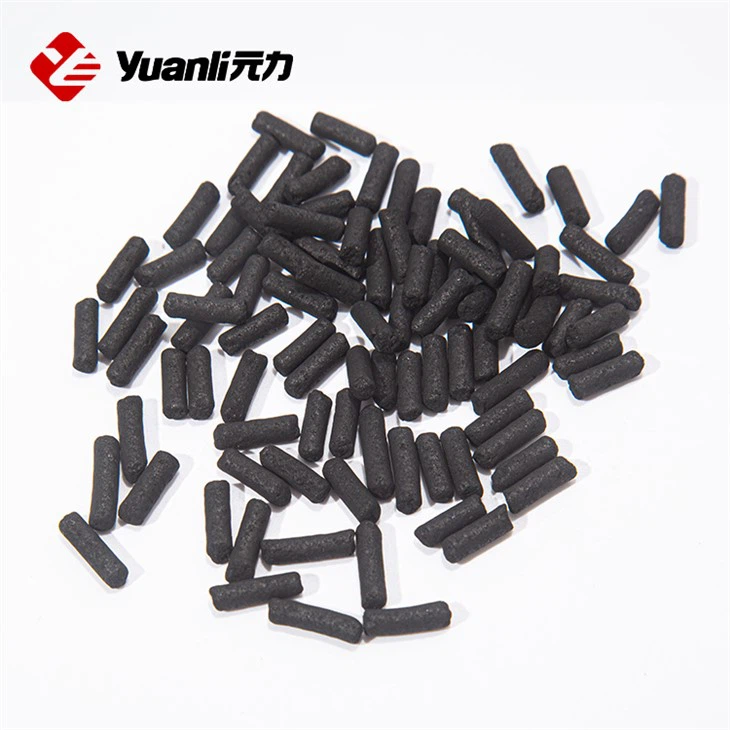
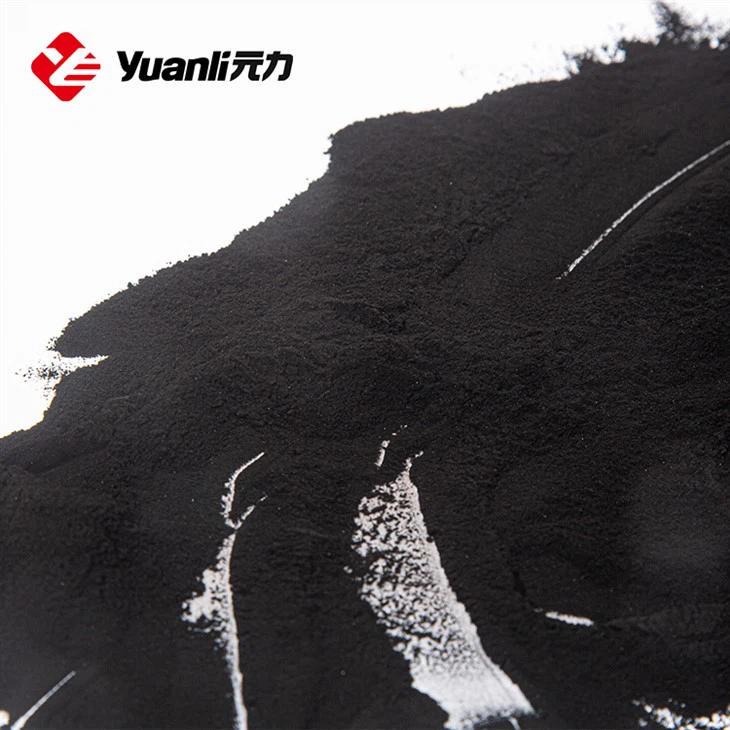
First off, let's talk a bit about what activated charcoal black powder is. It's a fine, black powder made from carbonaceous materials like wood, coal, or coconut shells. These materials are heated in the absence of air and then treated to create a highly porous structure. This porous structure gives activated charcoal its amazing adsorption properties, which means it can attract and hold onto other substances on its surface.
Now, when it comes to ink, there are several key properties that we're interested in: color, viscosity, drying time, and lightfastness. Let's dive into how activated charcoal black powder can impact each of these.
Color
One of the most obvious effects of adding activated charcoal black powder to ink is on its color. Charcoal has a deep, rich black color, so when you mix it into ink, it can make the ink darker and more intense. This is great for creating bold, eye - catching prints. Whether you're printing on paper, fabric, or other materials, the addition of activated charcoal can give your ink a more dramatic look.
In some cases, the natural black color of activated charcoal can also provide a unique, earthy tone to the ink. This can be especially appealing for artists and designers who are looking for something a bit different from traditional black inks. It can add a sense of warmth and depth to the printed image.
Viscosity
Viscosity refers to how thick or thin an ink is. Activated charcoal black powder can have an impact on the viscosity of ink. When you add the powder to the ink, it can increase the viscosity, making the ink thicker. This can be both a good thing and a bad thing, depending on your needs.
On the positive side, a thicker ink can be easier to control when printing. It's less likely to spread or bleed, which can result in sharper, more defined prints. This is particularly useful for detailed artwork or text. However, if the ink becomes too thick, it can clog the printing equipment, such as inkjet nozzles or printing plates. So, it's important to find the right balance when adding activated charcoal to the ink. You may need to experiment with different amounts of the powder to get the desired viscosity.
Drying Time
Another important property of ink is its drying time. Activated charcoal can affect how quickly the ink dries. Generally, when you add activated charcoal black powder to ink, it can increase the drying time. This is because the porous structure of the charcoal can absorb some of the solvents in the ink, which slows down the evaporation process.
A longer drying time can be an advantage in some situations. For example, if you're doing a multi - layer printing process, a slower - drying ink gives you more time to work on each layer without smudging. However, in other cases, such as high - volume printing, a longer drying time can be a drawback as it can slow down the production process.
Lightfastness
Lightfastness is the ability of an ink to resist fading when exposed to light. Activated charcoal black powder can improve the lightfastness of ink. The carbon in the charcoal is relatively stable and can help protect the ink from the effects of ultraviolet (UV) light.
This means that prints made with ink containing activated charcoal are likely to last longer without fading. This is crucial for printed materials that will be displayed in areas with a lot of sunlight, such as art galleries, museums, or outdoor signage. By using activated charcoal in the ink, you can ensure that your prints maintain their color and quality over time.
Applications in Different Printing Processes
Activated charcoal black powder can be used in various printing processes. In screen printing, for example, the thicker viscosity that the powder can create is often beneficial. It allows the ink to sit on the screen better and transfer more evenly onto the printing surface.
In inkjet printing, the addition of activated charcoal can be a bit more challenging due to the potential for clogging. However, if the ink is formulated correctly, it can still provide unique color and lightfastness properties.
For letterpress printing, the dark, intense color of the ink with activated charcoal can create a very traditional and elegant look. The increased viscosity can also help the ink adhere better to the printing plate and transfer more effectively to the paper.
Related Products
If you're interested in other activated carbon products, we also offer H3PO4 Impregnated Activated Carbon, KOH Impregnated Activated Carbon, and Activated Carbon for Plants Desulfurization and Denitrification. These products have their own unique properties and applications in different industries.
Conclusion
In conclusion, activated charcoal black powder can have a significant impact on the properties of ink. It can enhance the color, affect the viscosity, alter the drying time, and improve the lightfastness. Whether you're an artist, a printer, or a designer, understanding these effects can help you create better - quality prints.
If you're interested in using activated charcoal black powder for your ink formulations or have any questions about our products, I'd love to hear from you. Contact us to start a discussion about your specific needs and how we can help you achieve the best results with our activated charcoal black powder.
References
- "The Chemistry of Printing Inks" by John Doe
- "Activated Carbon: Properties and Applications" by Jane Smith
Send Inquiry