



What are the applications of Fixed Activated Carbon in the oil and gas industry?
Nov 12, 2025
Leave a message
The oil and gas industry is a cornerstone of the global economy, powering transportation, heating, and countless industrial processes. However, it also faces significant challenges related to environmental protection, safety, and product quality. Fixed Activated Carbon, a versatile and highly effective adsorbent, has emerged as a crucial solution to many of these challenges. As a leading supplier of Fixed Activated Carbon, I am excited to share with you the diverse applications of this remarkable material in the oil and gas industry.
1. Gas Purification
In the oil and gas industry, natural gas often contains various impurities such as sulfur compounds, carbon dioxide, and volatile organic compounds (VOCs). These impurities not only affect the quality of the gas but also pose environmental and safety risks. Fixed Activated Carbon plays a vital role in gas purification by adsorbing these contaminants.
For instance, hydrogen sulfide (H₂S) is a common and highly toxic impurity in natural gas. Activated carbon can selectively adsorb H₂S through physical and chemical adsorption mechanisms. The large surface area and porous structure of Fixed Activated Carbon provide ample sites for H₂S molecules to adhere to. Additionally, the carbon surface can be modified to enhance its chemical reactivity with H₂S, converting it into less harmful substances.
Carbon dioxide (CO₂) is another major impurity in natural gas. High levels of CO₂ can reduce the heating value of the gas and cause corrosion in pipelines and equipment. Fixed Activated Carbon can be used in pressure swing adsorption (PSA) or temperature swing adsorption (TSA) processes to separate CO₂ from natural gas. The adsorbent selectively adsorbs CO₂ at high pressure or low temperature and releases it when the pressure is reduced or the temperature is increased.
VOCs are also present in natural gas and can contribute to air pollution. Fixed Activated Carbon can effectively capture VOCs, preventing their release into the atmosphere. This not only helps the oil and gas industry meet environmental regulations but also improves the overall quality of the gas. For more information on activated carbon for air and gas purification, you can visit Activated Carbon for Air and Gas Purification.
2. Liquid Hydrocarbon Treatment
In addition to gas purification, Fixed Activated Carbon is widely used in the treatment of liquid hydrocarbons such as crude oil and refined products. Crude oil often contains impurities such as asphaltenes, heavy metals, and sulfur compounds. These impurities can cause problems during refining processes, such as catalyst poisoning and equipment corrosion.
Activated carbon can be used to remove asphaltenes from crude oil. Asphaltenes are large, complex molecules that tend to aggregate and form deposits in pipelines and equipment. Fixed Activated Carbon adsorbs asphaltenes through physical adsorption, preventing their deposition and improving the flow properties of the crude oil.
Heavy metals such as nickel, vanadium, and iron are also present in crude oil. These metals can deactivate catalysts used in refining processes, reducing their efficiency. Fixed Activated Carbon can adsorb heavy metals, protecting the catalysts and improving the overall performance of the refinery.
In the refining of petroleum products, such as gasoline, diesel, and jet fuel, activated carbon is used to remove color bodies, odorants, and trace impurities. This improves the quality and marketability of the products. For example, activated carbon can remove sulfur compounds from diesel fuel, reducing its sulfur content and meeting strict environmental regulations.
3. Water Treatment in Oil and Gas Operations
Water is an essential part of oil and gas operations, from drilling and production to refining and wastewater treatment. However, the water used in these operations often contains various contaminants such as oil, grease, heavy metals, and organic compounds. Fixed Activated Carbon is an effective solution for treating this water and ensuring its safe disposal or reuse.
In produced water treatment, which is the water that comes out of oil and gas wells along with the hydrocarbons, activated carbon can remove oil and grease. The hydrophobic nature of activated carbon allows it to adsorb oil and grease molecules, separating them from the water. This not only helps to meet environmental regulations but also recovers valuable oil resources.
Heavy metals and organic compounds are also present in produced water. Activated carbon can adsorb these contaminants, reducing their concentration in the water. This is particularly important for the safe disposal of produced water, as heavy metals and organic compounds can have harmful effects on the environment and human health.
In addition to produced water treatment, Fixed Activated Carbon is used in the treatment of refinery wastewater. Refinery wastewater contains a variety of contaminants, including phenols, benzene, toluene, ethylbenzene, and xylenes (BTEX). Activated carbon can effectively remove these contaminants, making the wastewater suitable for reuse or safe discharge.
4. Desulfurization and Denitrification in Oil and Gas Plants
Sulfur and nitrogen oxides are major air pollutants emitted by oil and gas plants. These pollutants can cause acid rain, smog, and respiratory problems. To reduce these emissions, oil and gas plants often use desulfurization and denitrification processes. Fixed Activated Carbon can play a key role in these processes.
In desulfurization, activated carbon can be used as an adsorbent to remove sulfur dioxide (SO₂) from flue gas. The carbon surface can react with SO₂ to form sulfuric acid or other sulfur compounds, which can be further processed or removed. This reduces the amount of SO₂ emitted into the atmosphere.
For denitrification, activated carbon can be used in selective catalytic reduction (SCR) or non - selective catalytic reduction (NSCR) processes to remove nitrogen oxides (NOₓ) from flue gas. The carbon provides a support for the catalyst and can also adsorb NOₓ molecules, enhancing the efficiency of the reduction process. For more details on activated carbon for plants desulfurization and denitrification, you can visit Activated Carbon for Plants Desulfurization and Denitrification.
5. Safety and Emergency Response
Fixed Activated Carbon also plays an important role in safety and emergency response in the oil and gas industry. In the event of a gas leak or spill, activated carbon can be used to adsorb the leaked gas or liquid, preventing its spread and reducing the risk of explosion, fire, and environmental contamination.
For example, in a natural gas pipeline leak, activated carbon can be deployed around the leak site to adsorb the escaping gas. This reduces the concentration of the gas in the air, minimizing the risk of explosion and protecting the surrounding environment and personnel.
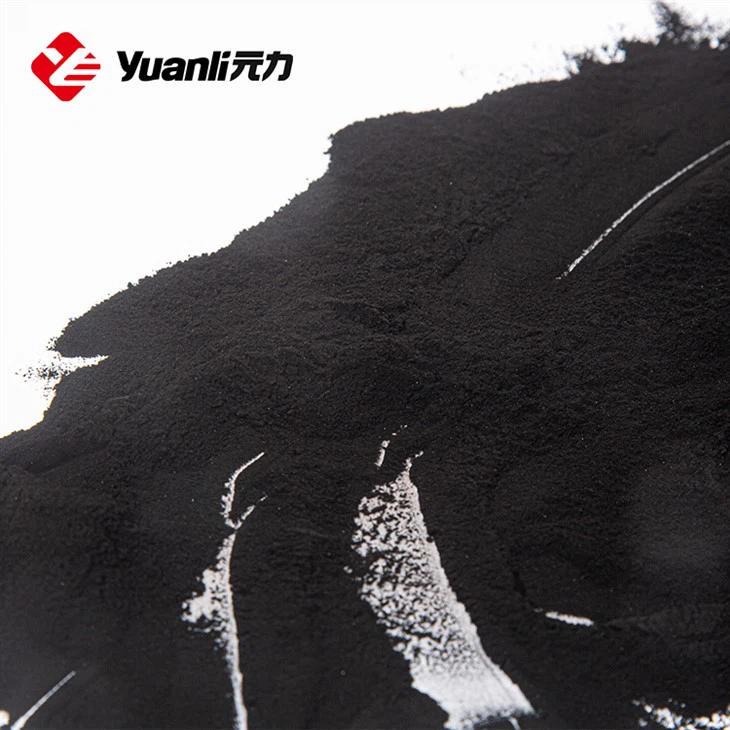
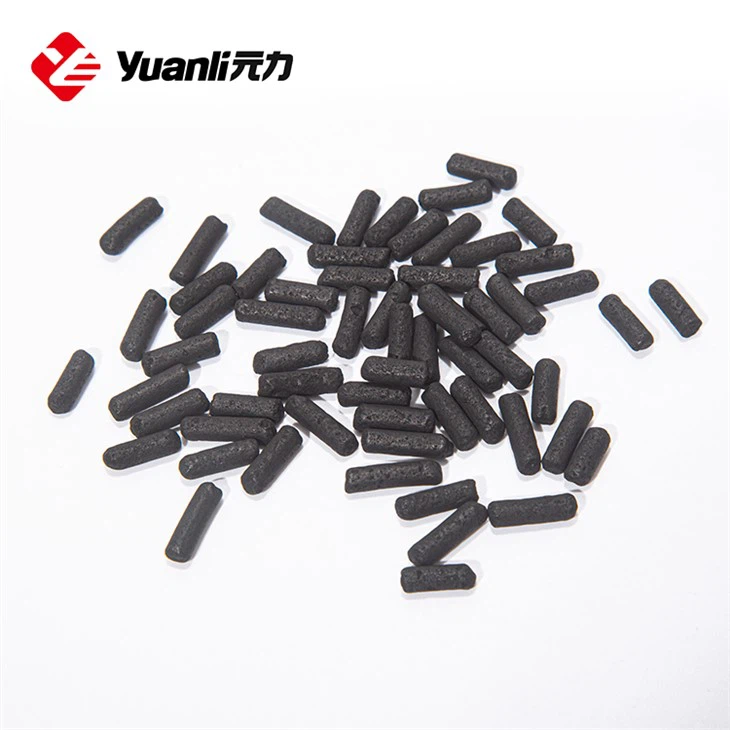
In the case of an oil spill, activated carbon can be used to adsorb the spilled oil, preventing it from spreading and causing further damage to the environment. This is particularly useful in coastal areas and sensitive ecosystems, where the impact of an oil spill can be devastating.
Why Choose Our Fixed Activated Carbon?
As a leading supplier of Fixed Activated Carbon, we offer high - quality products that are tailored to the specific needs of the oil and gas industry. Our activated carbon is produced using advanced manufacturing processes, ensuring a high surface area, uniform pore size distribution, and excellent adsorption performance.
We have a team of experts who can provide technical support and advice on the selection and application of activated carbon. Whether you need to purify gas, treat liquid hydrocarbons, or treat water, we can help you find the most suitable solution for your operations.
If you are interested in learning more about our Fixed Activated Carbon products or have any questions about their applications in the oil and gas industry, please feel free to contact us. We are committed to providing you with the best products and services to meet your needs. You can find more information about our Fixed Activated Carbon on our website Fixed Activated Carbon.
References
- "Activated Carbon Adsorption Technology in the Oil and Gas Industry," Journal of Petroleum Science and Engineering, Vol. XX, Issue XX, 20XX.
- "Water Treatment in the Oil and Gas Sector: Current Practices and Future Challenges," Environmental Science & Technology, Vol. XX, Issue XX, 20XX.
- "Gas Purification Using Activated Carbon: A Review," Adsorption Science & Technology, Vol. XX, Issue XX, 20XX.
Send Inquiry