



What are the applications of Fixed Activated Carbon in the agricultural industry?
Jul 24, 2025
Leave a message
Hey there! As a supplier of Fixed Activated Carbon, I'm super excited to chat with you about its awesome applications in the agricultural industry. Fixed Activated Carbon is like a hidden gem that can do wonders for farming and all things related to agriculture. Let's dive right in and explore how this amazing product can make a real difference.
Soil Improvement
One of the key areas where Fixed Activated Carbon shines is in soil improvement. You know, healthy soil is the foundation of a successful farm. When you add Fixed Activated Carbon to the soil, it acts like a sponge, absorbing and retaining nutrients. This means that plants have a better chance of getting the essential elements they need to grow strong and healthy.
It also helps with soil structure. The carbon particles create tiny pores in the soil, which improves aeration and water drainage. This is crucial because plants need oxygen in the soil to survive, and proper drainage prevents waterlogging, which can lead to root rot.
Moreover, Fixed Activated Carbon can help neutralize soil acidity. Some soils are naturally acidic, which can be a problem for many crops. By adding our activated carbon, you can bring the soil pH closer to the optimal range for plant growth. This allows a wider variety of crops to thrive in your fields.
Water Treatment
Water is another vital aspect of agriculture. And guess what? Fixed Activated Carbon is a great tool for water treatment on farms. In irrigation systems, water can contain various contaminants such as pesticides, heavy metals, and organic compounds. These contaminants can harm plants and even find their way into the food chain.
Our activated carbon can effectively remove these impurities from the water. It works by adsorption, which means that the contaminants stick to the surface of the carbon particles. This results in cleaner, safer water for your crops. You can check out Activated Carbon for Solvent Recovery to learn more about how activated carbon can be used in water treatment processes.
Livestock Farming
Fixed Activated Carbon also has some cool applications in livestock farming. For starters, it can be used to improve the quality of animal feed. Just like in soil and water, feed can contain unwanted substances such as mycotoxins. Mycotoxins are produced by fungi and can cause health problems in animals, including reduced growth and immune system suppression.
Adding a small amount of our activated carbon to the feed can help adsorb these mycotoxins, reducing their harmful effects on the animals. This leads to healthier livestock and better productivity.
Another use in livestock farming is in waste management. Manure from livestock can release unpleasant odors and harmful gases such as ammonia. Our activated carbon can be used in manure management systems to adsorb these odors and gases. This not only makes the farm environment more pleasant but also helps to reduce air pollution.
Greenhouse Farming
In greenhouse farming, where control over the growing environment is crucial, Fixed Activated Carbon can play a significant role. Greenhouses can sometimes have problems with air quality, especially when there are high levels of humidity and the use of fertilizers and pesticides.
Activated carbon can be used in air filtration systems in greenhouses. It can remove volatile organic compounds (VOCs), which are released from various sources such as plastics, paints, and pesticides. By improving the air quality inside the greenhouse, plants can grow better and are less likely to be affected by diseases. You can find more information about the use of activated carbon in environmental control on Activated Carbon for Plants Desulfurization and Denitrification.
Pesticide and Fertilizer Management
When it comes to using pesticides and fertilizers, Fixed Activated Carbon can be a real game-changer. Sometimes, these chemicals can be over-applied or can leach into the environment, causing pollution. Our activated carbon can help mitigate these issues.
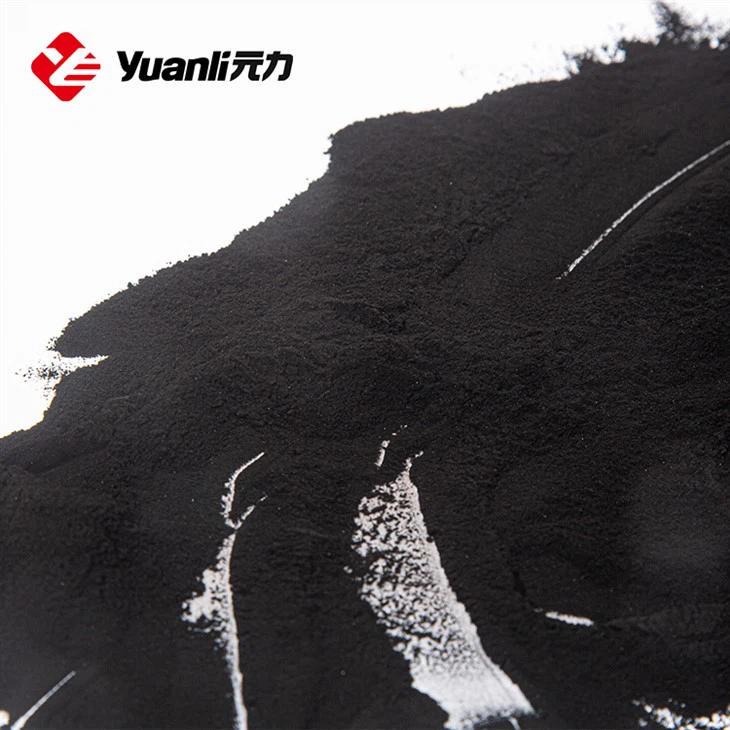

It can be used to adsorb excess pesticides and fertilizers in the soil. This not only reduces the risk of environmental pollution but also ensures that the chemicals are used more efficiently. The carbon particles hold onto the nutrients and pesticides, releasing them slowly over time. This means that plants can take up the chemicals at a more consistent rate, leading to better growth and less waste.
Catalytic Applications
In some agricultural processes, catalytic reactions are involved. That's where Catalytic Coal Based Activated Carbon comes in. It can act as a catalyst or a support for catalysts in various chemical reactions.
For example, in the production of biofuels from agricultural waste, catalytic coal based activated carbon can help speed up the reaction and improve the efficiency of the process. This is an important area of research and development in the agricultural industry, as biofuels are becoming more and more important as a renewable energy source.
Conclusion
As you can see, Fixed Activated Carbon has a wide range of applications in the agricultural industry. From soil improvement and water treatment to livestock farming and greenhouse management, it can make a big difference in the productivity and sustainability of your farm.
If you're interested in learning more about how our Fixed Activated Carbon can benefit your agricultural operations, or if you want to discuss a potential purchase, don't hesitate to reach out. We're here to help you find the best solutions for your specific needs. Let's work together to make your farm more successful and environmentally friendly!
References
- "Activated Carbon in Environmental Remediation" - A comprehensive book on the use of activated carbon in various environmental applications.
- "Agricultural Water Management" - Journal articles on the importance of water treatment in agriculture.
- "Livestock Science" - Research papers on the use of additives in animal feed and waste management in livestock farming.
Send Inquiry