



How do I dispose of used Activated Charcoal Granules?
Jul 02, 2025
Leave a message
As a supplier of Activated Charcoal Granules, I often receive inquiries from customers about the proper disposal of used activated charcoal granules. This is an important topic not only for environmental reasons but also for ensuring the safe and effective use of our products. In this blog post, I will share some insights on how to dispose of used activated charcoal granules based on scientific knowledge and industry best practices.
Understanding the Nature of Used Activated Charcoal Granules
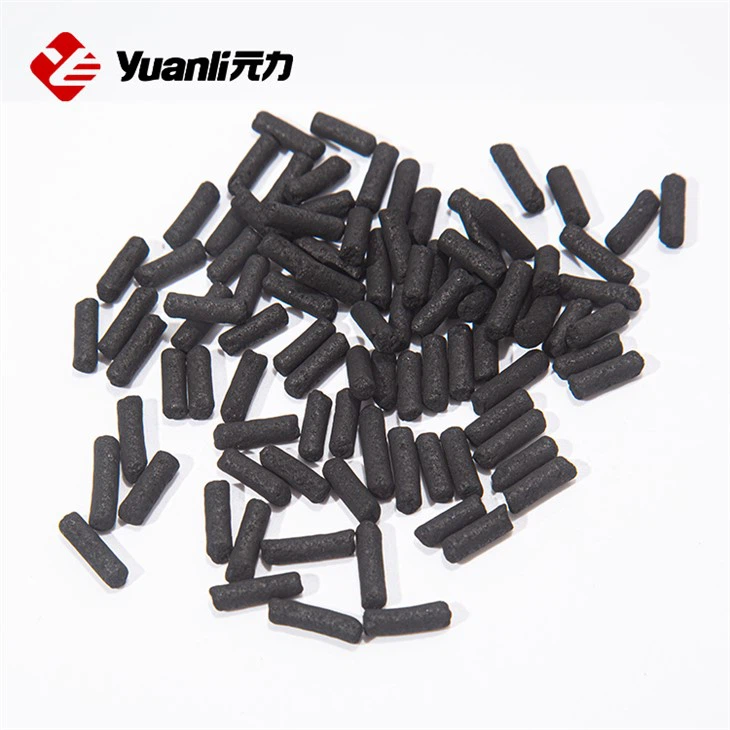
Before discussing the disposal methods, it's essential to understand what used activated charcoal granules are and why they need to be properly disposed of. Activated charcoal is a highly porous material with a large surface area, which gives it excellent adsorption properties. When used, it adsorbs various substances such as impurities, odors, and chemicals from the surrounding environment. As a result, the used activated charcoal becomes saturated with these adsorbed substances, and its adsorption capacity decreases over time.
The substances adsorbed by the activated charcoal can vary widely depending on its application. For example, in water treatment, it may adsorb heavy metals, organic compounds, and chlorine. In air purification, it can trap volatile organic compounds (VOCs), odors, and particulate matter. These adsorbed substances can be harmful to the environment and human health if not disposed of properly.
Factors to Consider Before Disposal
Several factors need to be considered before disposing of used activated charcoal granules:
- Type of Adsorbed Substances: The nature of the substances adsorbed by the activated charcoal determines the appropriate disposal method. For example, if the charcoal has adsorbed toxic or hazardous chemicals, special handling and disposal procedures may be required.
- Regulatory Requirements: Local, state, and federal regulations govern the disposal of waste materials, including used activated charcoal. It's important to comply with these regulations to avoid legal issues and protect the environment.
- Volume of Used Charcoal: The amount of used activated charcoal to be disposed of can also influence the disposal method. Small quantities may be disposed of through household waste, while larger volumes may require more specialized disposal options.
Disposal Methods for Used Activated Charcoal Granules
1. Reactivation
Reactivation is a process that restores the adsorption capacity of used activated charcoal by removing the adsorbed substances. This method is environmentally friendly and cost - effective, especially for large - scale users. The reactivation process typically involves heating the used charcoal at high temperatures in an oxygen - limited environment. This causes the adsorbed substances to decompose or volatilize, leaving the charcoal pores open for further use.
There are different types of reactivation methods, including thermal reactivation, chemical reactivation, and steam reactivation. Thermal reactivation is the most common method, where the charcoal is heated to temperatures between 600 - 900°C. Chemical reactivation uses chemicals such as H3PO4 Impregnated Activated Carbon to break down the adsorbed substances. Steam reactivation involves passing steam through the heated charcoal to remove the adsorbed materials.
However, reactivation requires specialized equipment and expertise. If you are considering reactivation, it's advisable to work with a professional reactivation service provider.
2. Landfill Disposal
Landfill disposal is a common method for disposing of used activated charcoal granules, especially for small - scale users or when reactivation is not feasible. However, it should be the last resort due to environmental concerns. Before sending the used charcoal to a landfill, it's important to ensure that it does not contain any hazardous substances.
If the used charcoal has adsorbed only non - hazardous substances such as common household odors or impurities from water filtration, it can be placed in a sealed plastic bag and disposed of with regular household waste. However, if it has adsorbed toxic or hazardous chemicals, it must be labeled as hazardous waste and disposed of at a licensed hazardous waste landfill.
3. Incineration
Incineration is another option for disposing of used activated charcoal granules. In this process, the charcoal is burned at high temperatures, which destroys the adsorbed substances. Incineration can be an effective way to reduce the volume of the waste and eliminate harmful substances.
However, incineration also has some drawbacks. It requires a specialized incinerator that can operate at high temperatures and meet environmental standards. Additionally, the combustion process may produce air pollutants such as dioxins, furans, and particulate matter if not properly controlled. Therefore, incineration should only be carried out by licensed facilities with appropriate pollution control measures.
4. Recycling into Other Products
In some cases, used activated charcoal can be recycled into other products. For example, it can be used as a soil amendment in agriculture. The porous structure of the charcoal can improve soil aeration, water retention, and nutrient availability. It can also help to reduce soil acidity and adsorb heavy metals in the soil.
Another option is to use the used charcoal in the production of Catalytic Coal Based Activated Carbon. The charcoal can be processed and treated to enhance its catalytic properties, which can be used in various industrial applications such as chemical synthesis and pollution control.
Safe Handling of Used Activated Charcoal Granules
When handling used activated charcoal granules, it's important to follow some safety precautions:

- Wear Protective Gear: Wear gloves, goggles, and a dust mask to prevent direct contact with the charcoal and inhalation of dust particles.
- Avoid Spills: Keep the used charcoal in a sealed container to prevent spills. If a spill occurs, clean it up immediately using a damp cloth or vacuum cleaner with a HEPA filter.
- Store Properly: Store the used charcoal in a cool, dry place away from sources of heat and ignition.
Conclusion
Proper disposal of used activated charcoal granules is crucial for environmental protection and human health. As a supplier, we are committed to providing our customers with the necessary information and support to ensure the safe and responsible use of our products.
If you have any questions about the disposal of used activated charcoal granules or are interested in purchasing our KOH Impregnated Activated Carbon or other activated charcoal products, please feel free to contact us. We are here to assist you with your inquiries and help you find the best solutions for your needs. Whether you are a small - scale user or a large - scale industrial customer, we can provide you with high - quality products and professional advice.
References
- American Chemical Society. "Activated Carbon: Properties and Applications." Journal of Chemical Education, 2018.
- Environmental Protection Agency. "Waste Management Regulations." EPA.gov, 2023.
- International Activated Carbon Association. "Best Practices for Activated Carbon Disposal." IACA.org, 2022.
Send Inquiry