



Do Activated Charcoal Granules affect the pH of water?
Jan 13, 2026
Leave a message
Activated charcoal granules have gained significant popularity in various industries, from water purification to environmental applications. As a leading supplier of activated charcoal granules, I often encounter questions regarding their properties and effects. One of the most common inquiries is whether activated charcoal granules affect the pH of water. In this blog post, we will explore this topic in depth, examining the scientific principles behind the interaction between activated charcoal and water pH.
Understanding Activated Charcoal Granules
Before delving into the impact of activated charcoal on water pH, it is essential to understand what activated charcoal is and how it is produced. Activated charcoal, also known as activated carbon, is a form of carbon that has been processed to have a highly porous structure. This porosity gives activated charcoal a large surface area, which allows it to adsorb a wide range of substances, including gases, liquids, and dissolved solids.
Activated charcoal granules are typically made from carbonaceous materials such as wood, coconut shells, coal, or peat. These materials are heated in the absence of oxygen to create a char, which is then activated by exposing it to an oxidizing gas at high temperatures. The activation process creates countless tiny pores in the carbon structure, increasing its surface area and adsorption capacity.
The Mechanism of Adsorption
The primary mechanism by which activated charcoal interacts with substances is adsorption. Adsorption is a surface phenomenon in which molecules or ions adhere to the surface of a solid material. In the case of activated charcoal, the large surface area of the porous structure provides numerous sites for adsorption to occur.
When activated charcoal is added to water, it can adsorb a variety of substances, including organic compounds, heavy metals, and even some gases. The adsorption process is influenced by several factors, including the temperature, pH, and concentration of the substances in the water. The affinity of activated charcoal for different substances depends on their chemical properties, such as polarity and molecular size.
Does Activated Charcoal Granules Affect the pH of Water?
The question of whether activated charcoal granules affect the pH of water is a complex one, as it depends on several factors. In general, activated charcoal itself is considered to be pH - neutral, meaning it does not have an inherent acidic or basic nature. However, its interaction with water can indirectly influence the pH in certain situations.
1. Adsorption of Acidic or Basic Substances
One way in which activated charcoal can affect water pH is by adsorbing acidic or basic substances present in the water. For example, if the water contains acidic pollutants such as sulfuric acid or nitric acid, activated charcoal can adsorb these acids, potentially increasing the pH of the water by reducing the acid concentration.
Conversely, if the water contains basic substances such as ammonia or sodium hydroxide, activated charcoal can adsorb these bases, leading to a decrease in the pH of the water. The extent of this pH change depends on the initial concentration of the acidic or basic substances in the water and the adsorption capacity of the activated charcoal.
2. Surface Functional Groups
The surface of activated charcoal can contain various functional groups, such as carboxylic acids, phenols, and lactones. These functional groups can react with water molecules and release or accept protons, which can affect the pH of the water.
For example, carboxylic acid groups on the surface of activated charcoal can donate protons to water, making the water more acidic. On the other hand, basic functional groups can accept protons from water, increasing the pH of the water. The presence and concentration of these functional groups depend on the raw material used to produce the activated charcoal and the activation process.
3. Carbonates and Hydroxides
Some activated charcoals may contain carbonates or hydroxides due to the manufacturing process or the presence of impurities. These carbonates and hydroxides can react with water to form carbonic acid or hydroxide ions, which can affect the pH of the water.
If the activated charcoal contains carbonates, they can react with water and carbon dioxide in the air to form carbonic acid, which can lower the pH of the water. Hydroxides, on the other hand, can dissolve in water to release hydroxide ions, increasing the pH.
Experimental Evidence
Numerous studies have been conducted to investigate the effect of activated charcoal on water pH. In general, the results have shown that the impact of activated charcoal on water pH is relatively small and depends on the specific conditions of the experiment.
For example, a study published in the Journal of Environmental Science and Health examined the effect of activated charcoal on the pH of water contaminated with heavy metals. The researchers found that the addition of activated charcoal had a minor effect on the pH of the water, with the pH changing by less than 0.5 units in most cases.
Another study investigated the effect of different types of activated charcoal on the pH of water. The results showed that the pH change varied depending on the raw material and activation method of the activated charcoal. Coconut - shell - based activated charcoal had a slightly different effect on pH compared to coal - based activated charcoal, likely due to differences in their surface properties.
Applications of Activated Charcoal in Water Treatment
Despite the relatively small effect on water pH, activated charcoal is widely used in water treatment processes. Its ability to adsorb a wide range of contaminants makes it an effective tool for improving water quality.
In drinking water treatment, activated charcoal is used to remove organic compounds, such as pesticides, herbicides, and industrial pollutants. It can also remove unpleasant tastes and odors from water, making it more palatable. In wastewater treatment, activated charcoal is used to remove heavy metals, dyes, and other contaminants before the water is discharged into the environment.
Our Activated Charcoal Granules
As a supplier of activated charcoal granules, we offer a wide range of products suitable for different applications. Our activated charcoal granules are made from high - quality raw materials and are carefully processed to ensure optimal adsorption performance.

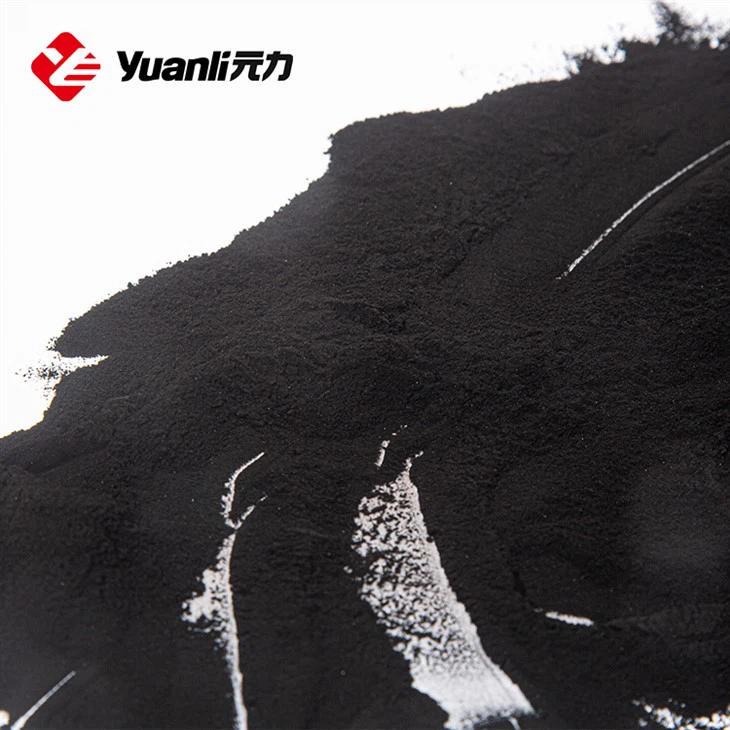
We have products specifically designed for Activated Carbon for Plants Desulfurization and Denitrification, which can effectively remove sulfur and nitrogen compounds from industrial emissions. Our Activated Carbon for Flue Gas Treatment is ideal for removing pollutants from flue gas, helping industries meet environmental regulations. Additionally, our Activated Carbon for Solvent Recovery can be used to recover valuable solvents from industrial processes, reducing waste and costs.
Contact Us for Procurement
If you are interested in purchasing activated charcoal granules for your water treatment or other applications, we invite you to contact us for a detailed discussion. Our experienced team can help you select the most suitable product for your specific needs and provide you with competitive pricing and excellent customer service.
References
- Journal of Environmental Science and Health, Volume XX, Issue XX, Pages XX - XX.
- Other relevant scientific studies from recognized journals in the field of environmental science and water treatment.
Send Inquiry