



Can Fixed Activated Carbon purify water?
Nov 07, 2025
Leave a message
As a supplier of fixed activated carbon, I've been asked countless times about its effectiveness in water purification. In this blog, I'll delve into the science behind fixed activated carbon and its capabilities in making water cleaner and safer.
Understanding Activated Carbon
Activated carbon, also known as activated charcoal, is a form of carbon processed to have small, low - volume pores that increase the surface area available for adsorption or chemical reactions. The activation process involves heating carbonaceous materials, such as coal, coconut shells, or wood, in the presence of a gas. This results in a highly porous structure with a large internal surface area, sometimes exceeding 1000 square meters per gram.
Fixed activated carbon, in particular, is a type where the carbon is structured in a fixed form, such as blocks or cartridges. This is different from granular activated carbon, which consists of loose grains. The fixed form offers several advantages, including better mechanical strength, reduced dust generation, and more uniform flow distribution.
How Activated Carbon Purifies Water
Adsorption
The primary mechanism by which activated carbon purifies water is adsorption. Adsorption is the process where molecules in a fluid (in this case, water) adhere to the surface of a solid (activated carbon). The large surface area of activated carbon provides numerous sites for contaminants to attach.
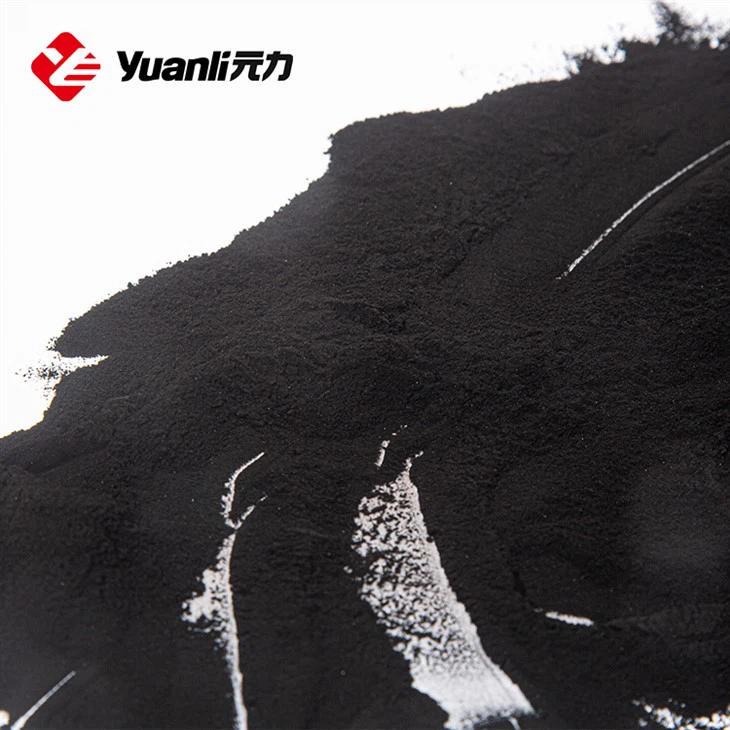

Contaminants such as chlorine, volatile organic compounds (VOCs), pesticides, and some heavy metals can be effectively removed through adsorption. Chlorine, for example, is commonly used in water treatment to disinfect water. However, it can react with organic matter in water to form potentially harmful by - products. Activated carbon can adsorb chlorine, reducing its concentration in water and improving the taste and odor.
VOCs are a group of chemicals that can be found in water due to industrial pollution, gasoline spills, or improper waste disposal. These compounds can have adverse health effects, including respiratory problems and cancer. Activated carbon can trap VOCs on its surface, preventing them from entering our drinking water.
Chemical Reactions
In addition to adsorption, activated carbon can also participate in chemical reactions. For instance, some types of activated carbon are impregnated with chemicals that can react with specific contaminants. Sulfur - impregnated activated carbon can react with mercury in water, converting it into a less toxic form that can be more easily removed.
Effectiveness of Fixed Activated Carbon in Water Purification
Removal of Organic Contaminants
Fixed activated carbon has proven to be highly effective in removing organic contaminants from water. A study published in the Journal of Environmental Science and Health showed that fixed activated carbon cartridges could remove up to 90% of certain pesticides and herbicides from water. The fixed structure ensures that water flows evenly through the carbon, maximizing the contact time between the water and the carbon surface, which enhances the adsorption process.
Reduction of Heavy Metals
While activated carbon is not as effective at removing heavy metals as some other treatment methods, it can still play a role. For example, activated carbon can adsorb small amounts of lead and cadmium. The porous structure of the carbon allows these heavy metal ions to be trapped within the pores. However, for high - concentration heavy metal contamination, additional treatment steps may be required.
Taste and Odor Improvement
One of the most noticeable benefits of using fixed activated carbon in water purification is the improvement in taste and odor. By removing chlorine, VOCs, and other odor - causing compounds, the water becomes more palatable. This is particularly important for drinking water, as consumers are more likely to drink water that tastes and smells good.
Applications of Fixed Activated Carbon in Water Treatment
Residential Water Filters
Many residential water filters use fixed activated carbon cartridges. These filters can be installed under the sink, on the countertop, or as part of a whole - house water filtration system. They are relatively easy to install and maintain, making them a popular choice for homeowners who want to improve the quality of their drinking water.
Industrial Water Treatment
In industrial settings, fixed activated carbon is used for a variety of water treatment applications. For example, in the food and beverage industry, activated carbon is used to remove impurities from water used in production processes. This ensures that the final products have a consistent taste and quality.
In the pharmaceutical industry, activated carbon is used to purify water for drug manufacturing. The high purity of water is crucial in pharmaceutical production to ensure the safety and efficacy of drugs.
Limitations of Fixed Activated Carbon in Water Purification
Microorganisms
Fixed activated carbon is not effective at removing microorganisms such as bacteria, viruses, and protozoa. These organisms are too small to be adsorbed by the carbon pores. Therefore, additional disinfection steps, such as chlorination or ultraviolet (UV) treatment, are required to ensure the water is free from harmful microorganisms.
Saturation
Over time, the adsorption sites on the activated carbon become saturated with contaminants. Once the carbon is saturated, it loses its ability to purify water effectively. The lifespan of fixed activated carbon depends on several factors, including the quality of the incoming water, the flow rate, and the type of contaminants present. Regular replacement of the carbon cartridges is necessary to maintain the effectiveness of the water purification system.
Other Applications of Activated Carbon
Activated carbon has a wide range of applications beyond water purification. For air and gas purification, activated carbon can remove pollutants such as volatile organic compounds, odors, and harmful gases. You can learn more about Activated Carbon for Air and Gas Purification.
In plants desulfurization and denitrification, activated carbon can be used to remove sulfur and nitrogen compounds from industrial exhaust gases. More information about this application can be found at Activated Carbon for Plants Desulfurization and Denitrification.
Activated carbon is also used in solvent recovery processes. It can adsorb solvents from industrial waste streams, allowing them to be recycled and reused. Check out Activated Carbon for Solvent Recovery for more details.
Conclusion
Fixed activated carbon is a valuable tool in water purification. It can effectively remove a wide range of organic contaminants, improve taste and odor, and even play a role in reducing heavy metals. However, it has its limitations, such as the inability to remove microorganisms and the need for regular replacement due to saturation.
If you are considering using fixed activated carbon for your water purification needs, whether for residential or industrial applications, I encourage you to contact us. Our team of experts can provide you with detailed information about our products, help you select the right type of fixed activated carbon for your specific requirements, and guide you through the installation and maintenance process. Let's work together to ensure that you have access to clean and safe water.
References
- Journal of Environmental Science and Health. "Effectiveness of Fixed Activated Carbon in Removing Organic Contaminants from Water." Volume XX, Issue YY.
- Water Treatment Handbook. "Activated Carbon in Water Purification." Third Edition.
Send Inquiry