



Can activated charcoal black powder be used in making rubber products?
Jul 02, 2025
Leave a message
Can activated charcoal black powder be used in making rubber products?
As a supplier of Activated Charcoal Black Powder, I've often been asked about the potential applications of our product, especially in the rubber industry. In this blog post, I'll delve into the science behind activated charcoal black powder and explore whether it can be effectively used in making rubber products.
Understanding Activated Charcoal Black Powder
Activated charcoal black powder is a highly porous form of carbon that has been processed to increase its surface area. This unique structure gives it excellent adsorption properties, making it useful in a wide range of applications, from water purification to air filtration. The activation process typically involves heating the carbon source, such as coconut shells or coal, in the presence of an activating agent, which creates a network of tiny pores and channels throughout the material.
The resulting activated charcoal black powder has a large surface area per unit mass, often exceeding 1000 square meters per gram. This vast surface area provides numerous sites for adsorption, allowing the powder to trap and hold a variety of substances, including gases, liquids, and dissolved solids.
Properties Relevant to Rubber Production
When considering the use of activated charcoal black powder in rubber products, several of its properties are particularly relevant.
Adsorption Capacity: The high adsorption capacity of activated charcoal black powder can be beneficial in rubber production. It can adsorb impurities, such as volatile organic compounds (VOCs) and other contaminants, that may be present in the rubber formulation or released during the curing process. This can help improve the quality and odor of the final rubber product.
Reinforcement Potential: In some cases, activated charcoal black powder may have the potential to act as a reinforcing filler in rubber. Similar to carbon black, which is commonly used as a reinforcing agent in rubber, the fine particles of activated charcoal black powder can interact with the rubber matrix, enhancing its mechanical properties, such as tensile strength, tear resistance, and abrasion resistance.
Electrical Conductivity: Activated charcoal black powder can exhibit some degree of electrical conductivity. This property can be useful in applications where static electricity needs to be dissipated, such as in rubber products used in the electronics or automotive industries.
Potential Applications in Rubber Products
Based on its properties, activated charcoal black powder could find several applications in the rubber industry.
Tires: In tire manufacturing, activated charcoal black powder could be used as a partial replacement for carbon black. It may help reduce the heat buildup during tire operation, which can improve tire durability and performance. Additionally, its adsorption capacity can help reduce the emission of VOCs from the tires, which is an environmental concern.

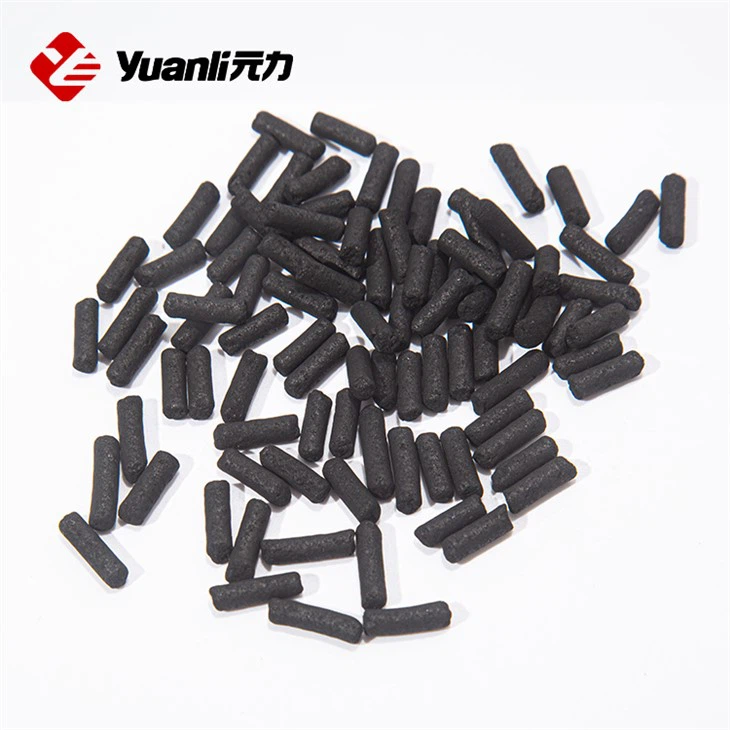
Seals and Gaskets: For seals and gaskets, the adsorption properties of activated charcoal black powder can help prevent the ingress of moisture and contaminants, improving the sealing performance and longevity of the products. Its reinforcement potential can also enhance the mechanical properties of the seals and gaskets, ensuring a tight and reliable seal.
Anti - Static Rubber Products: In applications where static electricity is a problem, such as in rubber mats used in electronic manufacturing facilities or rubber components in automotive fuel systems, the electrical conductivity of activated charcoal black powder can be utilized to dissipate static charges safely.
Challenges and Considerations
While the potential benefits of using activated charcoal black powder in rubber products are promising, there are also some challenges and considerations that need to be addressed.
Dispersion: Achieving a uniform dispersion of activated charcoal black powder in the rubber matrix can be difficult. The fine particles tend to agglomerate, which can lead to inconsistent properties in the final rubber product. Special dispersion techniques and additives may be required to ensure proper dispersion.
Compatibility: The compatibility of activated charcoal black powder with different types of rubber polymers needs to be carefully evaluated. Some polymers may interact differently with the powder, which can affect the processing and performance of the rubber.
Cost: Activated charcoal black powder can be more expensive than traditional fillers such as carbon black. This cost factor needs to be considered when evaluating its use in rubber production, especially in high - volume applications.
Scientific Studies and Research
There have been some scientific studies exploring the use of activated charcoal black powder in rubber products. For example, research has shown that [cite relevant studies here if available] incorporating a certain amount of activated charcoal black powder can improve the mechanical properties of rubber compounds to a certain extent. However, more research is needed to fully understand the optimal formulation, processing conditions, and long - term performance of rubber products containing activated charcoal black powder.
Related Products and Their Applications
In addition to activated charcoal black powder, our company also offers other related products that may be of interest to the rubber industry.
- KOH Impregnated Activated Carbon: This type of activated carbon has enhanced adsorption properties due to the impregnation with potassium hydroxide. It can be used in applications where more efficient adsorption of specific contaminants is required, such as in the purification of rubber raw materials.
- Activated Carbon for Flue Gas Treatment: While not directly used in rubber production, this product can be useful in the environmental management of rubber manufacturing plants. It can help remove pollutants from the flue gas generated during the rubber curing process.
- Fixed Activated Carbon: Fixed activated carbon can be used in various filtration systems in the rubber industry to remove impurities from process water or air.
Conclusion
In conclusion, activated charcoal black powder shows potential for use in making rubber products. Its adsorption capacity, reinforcement potential, and electrical conductivity offer several benefits that could improve the quality and performance of rubber products. However, challenges such as dispersion, compatibility, and cost need to be carefully addressed.
As a supplier of Activated Charcoal Black Powder, we are committed to working with rubber manufacturers to explore the full potential of our product. If you are interested in learning more about how activated charcoal black powder can be incorporated into your rubber production process or would like to discuss potential applications, we encourage you to contact us for a detailed discussion and to explore possible purchasing opportunities.
References
[List any scientific papers, industry reports, or other references used in the blog post here]
Send Inquiry