



Are Activated Charcoal Granules safe to use?
Oct 23, 2025
Leave a message
Activated charcoal granules have gained significant popularity in recent years, finding their way into various industries and household applications. As a well - established supplier of activated charcoal granules, I often receive inquiries about their safety. In this blog post, I aim to delve into the topic of whether activated charcoal granules are safe to use, exploring different aspects of their usage and potential risks.
Understanding Activated Charcoal Granules
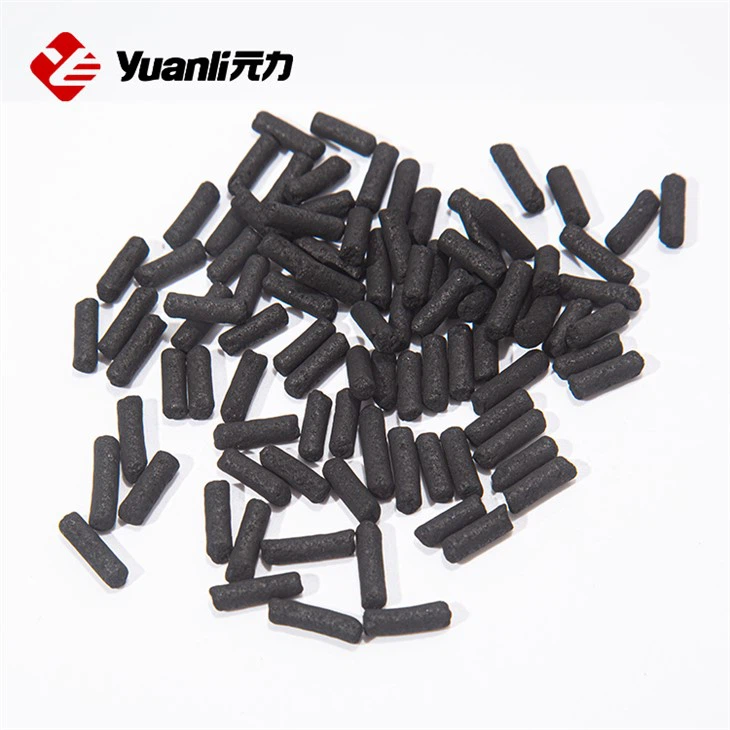
Activated charcoal is a form of carbon that has been processed to have small, low - volume pores that increase the surface area available for adsorption or chemical reactions. Granulated activated charcoal is made by crushing and sieving larger pieces of activated carbon into uniform granules. This form is widely used due to its ease of handling, high surface area, and excellent adsorption properties.
Safety in Different Applications
Water Treatment
One of the most common uses of activated charcoal granules is in water treatment. They are highly effective in removing impurities, such as chlorine, volatile organic compounds (VOCs), and some heavy metals from water. When used in water filters, activated charcoal granules are generally considered safe. They work by physically adsorbing contaminants onto their porous surface. The Environmental Protection Agency (EPA) has approved the use of activated carbon in water treatment processes, which indicates its safety for this application.
However, it's important to note that activated charcoal granules do not remove all types of contaminants. For example, they are not effective against bacteria, viruses, or dissolved inorganic salts. Therefore, in some cases, additional water treatment steps may be required to ensure the water is completely safe for consumption.
Medical and Health Applications
In the medical field, activated charcoal is sometimes used to treat poisoning or drug overdoses. It works by binding to the toxins in the digestive tract, preventing their absorption into the bloodstream. When administered under the supervision of a medical professional, activated charcoal is generally safe.
On the other hand, self - administration of activated charcoal for health purposes, such as detoxification or digestive health, can be risky. Activated charcoal can also bind to nutrients and medications in the body. If taken with prescription drugs, it may reduce the effectiveness of the medication. Additionally, excessive consumption of activated charcoal can lead to constipation, black stools, and in rare cases, intestinal blockage.
Cosmetics and Skincare
Activated charcoal granules are increasingly being used in cosmetics and skincare products, such as face masks and cleansers. They are believed to help draw out impurities and excess oil from the skin. From a safety perspective, when used topically in appropriate formulations, activated charcoal is generally well - tolerated.
However, some people may experience skin irritation or allergic reactions. It's always advisable to perform a patch test before using a new skincare product containing activated charcoal. Also, it's important to ensure that the activated charcoal used in cosmetics is of high quality and free from contaminants.
Industrial Applications
In industrial settings, activated charcoal granules are used in a variety of processes, such as air purification, solvent recovery, and gas separation. When used in these applications, proper safety precautions must be taken. Workers handling activated charcoal granules should wear appropriate personal protective equipment (PPE), such as dust masks and gloves, to prevent inhalation and skin contact.
Inhalation of activated charcoal dust can cause respiratory problems, such as coughing, wheezing, and shortness of breath. Prolonged exposure to high levels of activated charcoal dust may also lead to more serious health issues, such as pneumoconiosis. Therefore, industrial facilities should have proper ventilation systems in place to minimize dust exposure.
Quality and Purity of Activated Charcoal Granules
The safety of activated charcoal granules also depends on their quality and purity. As a supplier, I understand the importance of providing high - quality products. We source our raw materials from reliable suppliers and use advanced manufacturing processes to ensure that our activated charcoal granules meet strict quality standards.
Our KOH Impregnated Activated Carbon is a prime example of our commitment to quality. This type of activated carbon is specially treated with potassium hydroxide (KOH) to enhance its adsorption properties for certain contaminants. It is widely used in industrial applications where high - performance adsorption is required.
Another product in our portfolio is Catalytic Coal Based Activated Carbon. This activated carbon has catalytic properties, which make it suitable for applications such as air purification and the removal of harmful gases.
We also offer Activated Carbon for Solvent Recovery. This product is designed to efficiently adsorb and recover solvents from industrial processes, reducing waste and saving costs.
Conclusion
In general, activated charcoal granules can be safe to use when used appropriately and in the right context. In water treatment, under medical supervision, and in properly formulated cosmetics, they can offer significant benefits. However, it's crucial to be aware of the potential risks and take necessary precautions.

If you are considering using activated charcoal granules for your specific application, whether it's for water treatment, industrial processes, or skincare, I encourage you to reach out to us. Our team of experts can provide you with detailed information about our products, their safety, and how they can best meet your needs. We are committed to providing high - quality activated charcoal granules and excellent customer service. Contact us today to start a conversation about your requirements and explore the possibilities of working together.
References
- Environmental Protection Agency (EPA). (Year). Guidelines for Water Treatment Using Activated Carbon.
- Medical Literature on the Use of Activated Charcoal in Poison Treatment.
- Dermatological Studies on the Use of Activated Charcoal in Skincare.
- Industrial Safety Standards for Handling Activated Charcoal Granules.
Send Inquiry